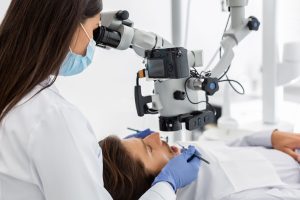
A detailed explanation of tooth replantation, including how to care for a knocked-out tooth, the steps to take immediately after an accident, and the success rates of replantation procedures.
Tooth Replantation: Can a Knocked-Out Tooth Be Saved?
A knocked-out tooth, also known as an avulsed tooth, is a dental emergency that requires immediate action. However, with quick and proper care, there is a chance that the tooth can be saved through a procedure called tooth replantation. As a specialist endodontist at Nuffield Dental, I regularly perform this procedure and want to guide you through the steps to take if you or someone you know experiences this type of dental trauma.
What Is Tooth Replantation?
Tooth replantation is the process of reinserting and stabilising a tooth that has been completely knocked out of its socket. If the tooth is intact and the root is still healthy, replantation can allow the tooth to reintegrate into the jawbone over time. The sooner the tooth is replanted, the higher the chances of success.
Steps to Take Immediately After a Tooth Is Knocked Out
If your tooth gets knocked out, it’s crucial to act quickly. Here’s what to do:
- Find the Tooth: Hold it by the crown (the top part), not the root. Avoid touching or scrubbing the root to protect the delicate tissue.
- Rinse the Tooth: If the tooth is dirty, gently rinse it with water. Do not use soap or scrub it.
- Keep the Tooth Moist: If possible, try to place the tooth back into its socket immediately. If you can’t do this, keep the tooth moist by placing it in milk, saline solution, or a tooth preservation kit. Avoid storing the tooth in tap water, as it can damage the root.
- Seek Immediate Dental Care: Time is critical. Visit an emergency dentist or endodontist like Dr. Irene Sim within 30 minutes for the best chance of successful replantation.
How Tooth Replantation Works
Once you arrive at the clinic, Dr. Sim will assess the tooth and socket. If the tooth is still viable, it will be gently reinserted into the socket and secured with a splint to stabilise it while the tissues heal. Over the following weeks, the tooth will gradually reintegrate with the bone.
What Are the Success Rates of Tooth Replantation?
The success of tooth replantation depends largely on how quickly the tooth is reinserted. If the tooth is replanted within 30 minutes, the chances of successful reattachment are significantly higher. However, even if more time has passed, it’s still worth attempting replantation as modern techniques have improved outcomes.If you’ve experienced a dental emergency, don’t wait. Contact Nuffield Dental for immediate care and increase your chances of saving your tooth.