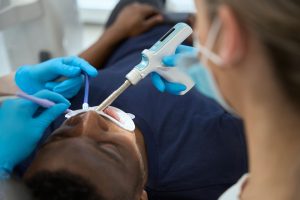
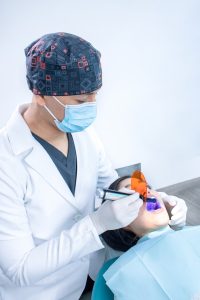
Offering patients practical advice on what to expect after a root canal or surgical endodontic procedure, including pain management, dietary restrictions, and proper oral care.
Root Canal Recovery: Tips for a Smooth and Quick Healing Process
A root canal is a highly effective way to save a tooth that is infected or damaged, but the recovery process is just as important to ensure a successful outcome. At Nuffield Dental, we want to make sure our patients are well-prepared for what comes after their procedure. Here are some practical tips to help you recover smoothly and quickly after a root canal or surgical endodontic procedure.
1. Manage Pain and Discomfort
It’s normal to experience mild to moderate discomfort for a few days after a root canal. Over-the-counter pain medications, such as ibuprofen or acetaminophen, are usually sufficient to manage the pain. Dr. Irene Sim may also prescribe stronger pain relief if necessary. You can also apply a cold compress to the outside of your face to reduce any swelling.
2. Watch What You Eat
After your procedure, it’s best to avoid eating until the numbness from the anaesthesia has completely worn off to prevent accidentally biting your cheek or tongue. Stick to soft foods for the first few days, such as soups, mashed potatoes, yogurt, and smoothies. Avoid chewing on the side of the treated tooth until your dentist has placed a permanent crown or filling to protect the tooth.
3. Maintain Good Oral Hygiene
Even though your tooth may still be tender, it’s important to keep up with your oral hygiene routine. Gently brush and floss as usual, but be careful around the treated area to avoid irritation. Dr. Sim may also recommend an antibacterial mouth rinse to help prevent infection while your tooth heals.
4. Rest and Avoid Strenuous Activity
Your body needs time to heal, so take it easy for the first 24-48 hours after your root canal. Avoid any strenuous physical activity or exercise during this time to allow the treated area to heal properly. Keeping your head elevated while you sleep can also help reduce swelling.
5. Attend Follow-Up Appointments
It’s important to keep your follow-up appointments with Dr. Sim to ensure that the tooth is healing properly. In some cases, a permanent restoration, such as a crown, will need to be placed to protect the tooth and restore full function.
By following these tips, you can ensure a smooth recovery and give your tooth the best chance of long-term success. If you have any concerns during your recovery, don’t hesitate to reach out to Nuffield Dental for support.