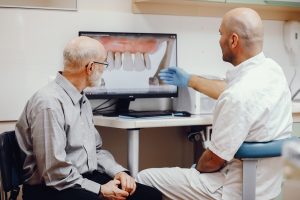
A blog post aimed at dentists, discussing how collaborating with an endodontist can ensure the best outcomes for patients with complex or surgical endodontic needs.
Collaborating with Your Dentist: The Importance of Referrals for Complex Endodontic Cases
When it comes to managing complex or surgical endodontic cases, collaboration between general dentists and endodontists is essential to ensure the best outcomes for patients. While general dentists handle routine endodontic care, certain cases require the expertise and advanced tools that a specialist endodontist can provide. At Nuffield Dental, Dr. Irene Sim works closely with referring dentists to deliver the highest standard of care for patients with challenging endodontic needs.
When to Refer Complex Endodontic Cases
Dentists may encounter patients with endodontic issues that are beyond the scope of general practice. Here are some examples of cases that should be referred to an endodontist:
- Complex Root Canals: Teeth with calcified, curved, or hard-to-reach canals require advanced instruments and techniques that a specialist endodontist is trained to use. Referring these cases can ensure that every canal is treated thoroughly, reducing the risk of reinfection.
- Failed Root Canal Treatment: When a previous root canal treatment fails, retreatment or surgical intervention may be necessary. Endodontists have the expertise to perform procedures like apicoectomies or retreatments, giving the tooth a second chance.
- Dental Trauma: Patients with avulsed (knocked-out) or severely damaged teeth require immediate and precise treatment to save the tooth. Endodontists are trained to handle these emergencies and perform procedures like tooth replantation.
Benefits of Collaborating with an Endodontist
- Expertise in Complex Cases
Endodontists, like Dr. Sim, have advanced training and years of experience in diagnosing and treating complicated dental conditions. Their focus on endodontics allows them to use specialised tools such as dental microscopes, 3D imaging (CBCT scans), and ultrasonic instruments to achieve the best possible outcomes for patients. - Continuity of Care
Collaboration ensures that the patient’s general dentist remains informed and involved in the treatment process. After endodontic treatment is completed, the patient is returned to the referring dentist for ongoing care and final restoration, such as crown placement.
The Importance of Timely Referrals
Referring complex cases early can prevent further complications and ensure that patients receive the specialised care they need. By working together, general dentists and endodontists can ensure long-term success for patients, helping them avoid extractions and other invasive treatments.
If you encounter a challenging endodontic case, don’t hesitate to refer your patient to Dr. Irene Sim at Nuffield Dental. We are committed to delivering the best possible care and supporting our referring partners every step of the way.