Providing a comprehensive walkthrough of what happens during surgical endodontic procedures, including pre-op preparation, the surgery itself, and the recovery process.
What to Expect During a Surgical Endodontic Procedure: From Consultation to Recovery
For some patients, a standard root canal treatment may not be enough to resolve infection or damage inside the tooth. In these cases, a surgical endodontic procedure, such as an apicoectomy, may be necessary to save the tooth. At Nuffield Dental, Dr. Irene Sim specializes in performing these advanced procedures. Here’s a comprehensive guide on what to expect, from consultation to recovery.
1. The Initial Consultation
Your journey begins with a thorough consultation, where Dr. Sim will assess your tooth and overall oral health. This may involve taking 3D CBCT scans or digital X-rays to gain a clear view of the tooth’s root structure and the surrounding tissue. Dr. Sim will then explain the procedure in detail, including the reasons for surgery and the expected outcome.
2. Pre-Operative Preparation
Before the procedure, Dr. Sim will provide you with pre-operative instructions. Depending on the complexity of the surgery, you may need to fast for a few hours if IV sedation or general anaesthesia is being used. We recommend wearing comfortable clothing and arranging for someone to drive you home after the procedure, especially if sedation is involved.
3. The Surgical Procedure
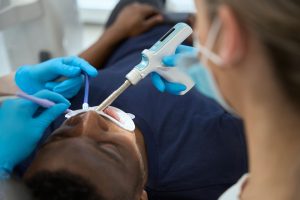
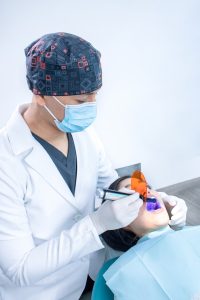
On the day of the surgery, you’ll be made comfortable with local anaesthesia, IV sedation, or general anaesthesia. For procedures like an apicoectomy, Dr. Sim will make a small incision in the gum tissue to expose the root of the affected tooth. The infected tissue and the tip of the root will be carefully removed, and the area will be cleaned. The root canal may also be sealed from the bottom to prevent future infection. Finally, the gum will be sutured to promote healing.
4. Post-Operative Recovery
After surgery, you may experience mild discomfort, swelling, or tenderness, which is normal. Dr. Sim will prescribe pain medications and may recommend using a cold compress to reduce swelling. It’s important to follow post-operative care instructions, such as eating soft foods and avoiding physical activity for a few days. Maintaining good oral hygiene is crucial, but avoid brushing directly over the surgical site.
5. Follow-Up Care
Dr. Sim will schedule a follow-up appointment to monitor your healing progress and remove any sutures if necessary. Most patients recover within a week, but it may take a few months for the tooth and surrounding tissues to fully heal. By following these steps, you can ensure a smooth recovery and a successful outcome.
If you’ve been advised to undergo a surgical endodontic procedure, schedule a consultation with Dr. Irene Sim at Nuffield Dental. We’ll guide you through the process and provide expert care every step of the way.